Search the Food Reference
Search 38,078 food entries (462 measured foods, 15 measured alcohol entries, 30,000 branded products, and 7,601 USDA reference foods) and filter them by category or general purine range.
Search 38,078 food entries (462 measured foods, 15 measured alcohol entries, 30,000 branded products, and 7,601 USDA reference foods), explore a general low-purine meal example, and learn which symptoms should be discussed with a healthcare professional.
Food choices can influence gout flares, but diet is only one part of care. UricAcid.online helps you understand food information and prepare better questions for a qualified healthcare professional.
Use these tools for education and meal planning. They do not diagnose gout or replace medical care.
Search 38,078 food entries (462 measured foods, 15 measured alcohol entries, 30,000 branded products, and 7,601 USDA reference foods) and filter them by category or general purine range.
See four general meal ideas and use them as a starting point for a lower-purine eating plan.
Estimate the purine amount in a serving when you already know the value per 100 grams.
Build a private shortlist of foods without creating an account or sending the list to our server.
Understand common gout symptoms, urgent warning signs, and when professional assessment matters.
Use the FAQ and source links to understand common uric acid and gout questions.
Move from a general question to a more informed conversation with your healthcare professional.
Start with the symptoms guide or your laboratory report. High uric acid often causes no symptoms.
Search foods and compare general purine values. Values can vary by species, product, and cooking method.
Use the sample meal day to identify lower-purine alternatives that suit your normal eating pattern.
Take your questions, symptoms, and test results to a qualified healthcare professional for personal advice.
The current tools are open to visitors and work without an account.
High uric acid often causes no symptoms. Gout can cause sudden joint pain, swelling, redness, and warmth.
A gout flare often begins suddenly and commonly affects the big toe, although other joints can be involved.
The affected joint may become swollen, red, warm, and very tender to touch.
Severe side or back pain, blood in urine, fever, or vomiting needs prompt medical assessment.
We publish source-linked articles written for readers, not search engines.
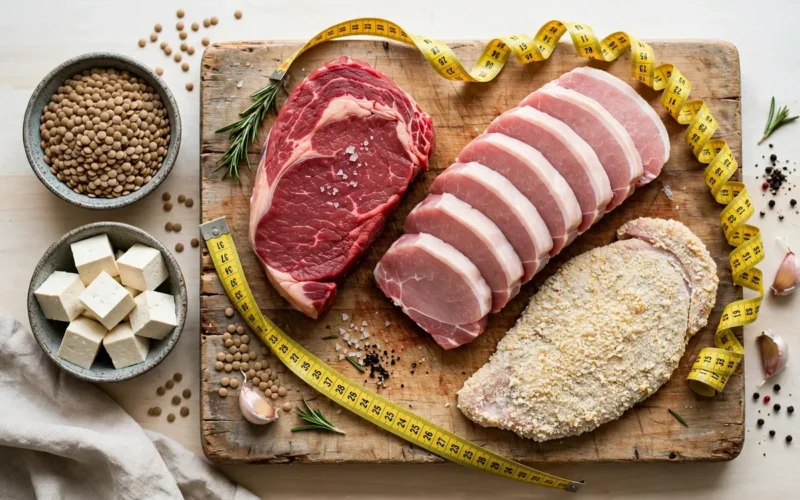
When you have gout, protein feels like a minefield. Beef carries purines, shellfish carries purines, even some vegetables get whispered about. So…
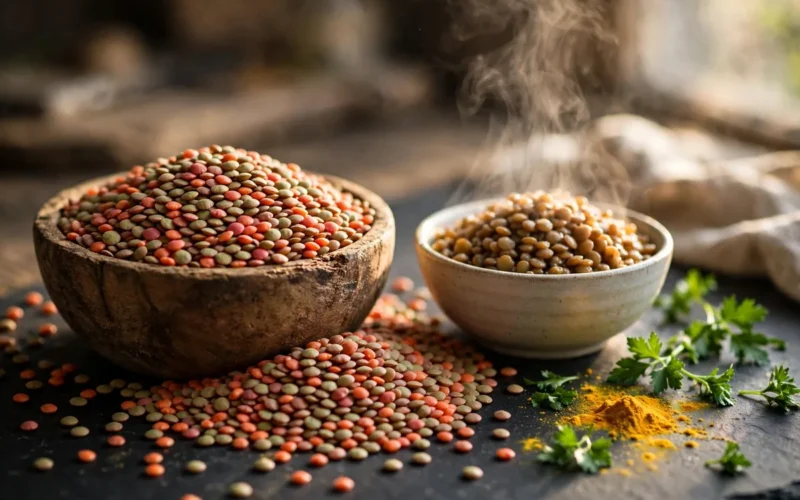
Lentils and Gout: The 222 mg Number Isn’t the Whole Story Lentils show up on some gout food lists as a food…
Red Meat and Gout: Does It Belong on Your Plate? Red meat sits at the top of almost every gout-avoidance list —…
Ask any question about uric acid, gout, low-purine diets, or symptom management. Replies are evidence-based and session-only.
⚠ Not a substitute for professional medical advice.
Use the food reference and general meal example to prepare questions for your healthcare professional.