Chickpeas and Gout: A Safe, Cheap Protein (5 Serving Ideas)
Chickpeas and Gout: A Safe, Cheap Protein
Looking for a protein that won’t spike your uric acid? Chickpeas might be the most underrated option in the gout diet. They’re cheap, versatile, and the purine numbers are excellent across every form — canned, cooked, or dried.
Here are 5 reasons chickpeas deserve a place in a gout-friendly diet — plus the science behind why they’re so low in purines, how they compare to lentils, portion guidance, and answers to the questions readers ask most.
1. Cooked chickpeas are just 11.2 mg per 100g
Cooked chickpeas measure only 11.2 mg of purines per 100g — one of the lowest values of any protein-rich food. That’s lower than tofu (20 mg) — though not quite as low as eggs — and a tiny fraction of any meat. For gout management, chickpeas are about as safe as protein gets.
2. Canned chickpeas are nearly as good: 21.6 mg
Canned chickpeas measure 21.6 mg per 100g — slightly higher than home-cooked (canning liquid and processing account for the difference), but still firmly in the safe zone. The convenience of canned chickpeas comes with essentially no purine penalty.
Tip: rinse canned chickpeas before eating. It washes off excess sodium and any residual canning liquid.
3. Even dried chickpeas are safe at 56 mg
Dried (raw) chickpeas measure 56 mg per 100g — higher than cooked because the values are concentrated without water, but still in the low-purine range. Compare that to dried lentils at 222 mg: chickpeas are the clear winner among dried legumes for gout.
And remember: nobody eats dried chickpeas raw. Once cooked, they absorb water and land at that excellent 11.2 mg figure.
4. They beat most animal proteins by a wide margin
- Chickpeas (cooked): 11.2 mg — safe
- Tofu: 20 mg — safe
- Chicken breast (roasted): 178.5 mg — moderate
- Beef (ground): 133.3 mg — moderate
- Salmon (raw): 249.9 mg — avoid
Swapping even one meat-based meal per week for chickpeas removes hundreds of milligrams of purines from your diet. Look up any food’s purine value in our free database to plan your own swaps.
Why Are Chickpeas So Low in Purines?
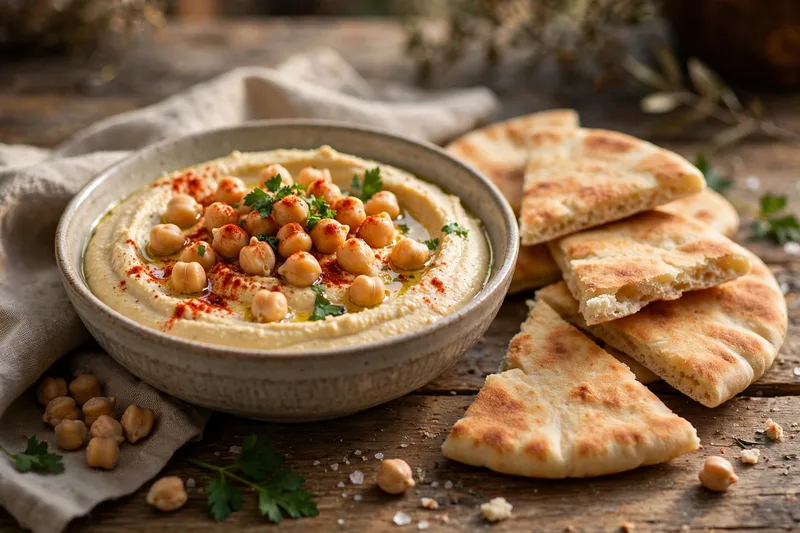
Two things work in chickpeas’ favor: their biology and their water content.
First, plant purines behave differently from animal purines. Purines in meat and fish come bundled with the dense cellular machinery of muscle tissue — and research consistently links animal purines to higher gout risk. Plant purines, found in legumes and vegetables, do not show the same association in population studies. Your body processes them the same way chemically, but the dose and the dietary context differ.
Second, water dilutes everything. Dried chickpeas measure 56 mg per 100g, but cooking triples their weight as they absorb water. The purines don’t multiply — they spread across more grams. That’s why cooked chickpeas land at just 11.2 mg per 100g. The same principle applies to rice, pasta, and other foods that absorb water during cooking: always check whether a purine value refers to the dried or cooked form.
Chickpeas vs Lentils: The Legume Showdown
Not all legumes are equal for gout. Dried chickpeas measure 56 mg per 100g — safely in the low range. Dried lentils measure 222 mg per 100g — in the avoid range.
That gap surprises people, because both are “healthy legumes.” The difference is real and measured. If you eat lentils, cook them from dried (they absorb plenty of water, which brings the per-100g value down) and keep portions moderate. If you want a legume you never have to think twice about, chickpeas win.
Other legumes fall between these two extremes, so check the specific bean or lentil you’re eating in a purine database rather than assuming all legumes behave alike.
How Much Can You Eat?
At 11.2 mg per 100g cooked, chickpeas give you a lot of room. A typical serving of 150–200g (about one cup) delivers roughly 17–22 mg of purines — less than a single bite of most meats.
Practical guidance:
- Daily: one to two servings (150–200g each) fit easily into a low-purine day.
- Pair freely: combine chickpeas with rice, vegetables, or whole grains without worrying about the purine math.
- Watch the company they keep: a chickpea curry is low-purine; a chickpea curry loaded with shrimp is not. The chickpeas aren’t the problem — the add-ins are.
- Canned portions: a standard 400g can (drained weight ~240g) is about 52 mg of purines for the whole can. Split across two meals, that’s trivial.
If you’re building a full day of low-purine eating, our sample diet plan shows how chickpeas and similar foods fit together.
8 Easy Ways to Eat Chickpeas
- Hummus — blend chickpeas with tahini, lemon, and garlic. A gout-friendly snack with vegetables or whole-grain bread. (See the FAQ below on store-bought hummus.)
- Roasted chickpeas — toss canned (drained, rinsed) chickpeas with olive oil and spices, roast at 200°C/400°F for 25–30 minutes until crispy. A crunchy, low-purine snack that replaces chips.
- Chickpea curry (chana masala) — simmer with tomatoes, onions, spinach, and turmeric. Use light coconut milk or just water with extra tomato for creaminess without added fat.
- Chickpea salad — mix with cucumber, tomatoes, red onion, parsley, and a lemon-olive oil dressing. A complete light meal in under 10 minutes.
- Falafel (baked) — blend chickpeas with herbs, cumin, and a little flour; form patties and bake instead of deep-frying for a lower-calorie version.
- Chickpea “tuna” salad — mash chickpeas with a fork, mix with diced celery, red onion, a squeeze of lemon, and a spoonful of yogurt or mayo. Pile onto whole-grain toast. All the satisfaction of tuna salad at a fraction of the purines (tuna runs about 142 mg per 100g canned).
- Hearty chickpea soup — simmer chickpeas with carrots, celery, onion, garlic, and vegetable broth for 30 minutes. Finish with lemon juice and olive oil. Batch-cook friendly and freezer safe.
- Chickpea pasta sauce — crush chickpeas roughly and warm them in tomato sauce with basil and a pinch of chili flakes. Serve over whole-grain pasta for a protein-rich, low-purine dinner.
Chickpeas and Gout: FAQ
Are chickpeas better than meat for gout?
On purines alone, yes — decisively. Cooked chickpeas deliver 11.2 mg per 100g. Compare that to roasted chicken breast at 178.5 mg, ground beef at 133.3 mg, or raw salmon at 249.9 mg. You would need to eat roughly sixteen servings of chickpeas to match the purines in one serving of chicken breast. Meat also supplies nutrients chickpeas lack (like vitamin B12), so most people do best mixing both — just let chickpeas carry more of the load.
What about store-bought hummus?
Store-bought hummus is fine for gout. Its main ingredient is chickpeas, so its purine profile tracks closely with them. Check the label for two things: sodium (some brands are very salty — rinsing homemade is easier to control) and added oils (which add calories, not purines). If you eat hummus regularly, making it at home takes five minutes and costs less.
Can chickpeas trigger a gout flare?
At 11.2 mg per 100g, chickpeas are very unlikely to trigger a flare on their own. Flares usually follow high-purine meals, alcohol, dehydration, or sudden dietary changes — not a bowl of chickpeas. That said, gout is individual: if you notice a pattern, track it. Learn the early signs of a flare here, and browse our gout FAQ for answers to the most common questions.
The bottom line
Chickpeas are one of the best proteins for gout: 11.2 mg cooked, 21.6 mg canned, cheap, and endlessly versatile. If you’re building a low-purine diet, they belong in your weekly rotation.
Want to plan a full day? See our sample low-purine diet plan, or search all 38,078 foods in our purine database.
For education only — not medical advice. Discuss diet changes with your doctor.