Is Tofu Good for Gout? 5 Purine Facts (One Surprising Trap)
Is Tofu Good for Gout?
Short answer: yes. Regular tofu is one of the lowest-purine protein sources you can eat, at just 20 mg of purines per 100g. But there is one form of tofu that flips the script entirely — and it catches people off guard.
If you live with gout, you already know that high uric acid can trigger sudden, painful joint flares. Diet plays a real role in managing those flares, and choosing the right proteins matters. Here are 5 purine facts about tofu and gout, all from measured laboratory values.
5 Measured Purine Facts About Tofu
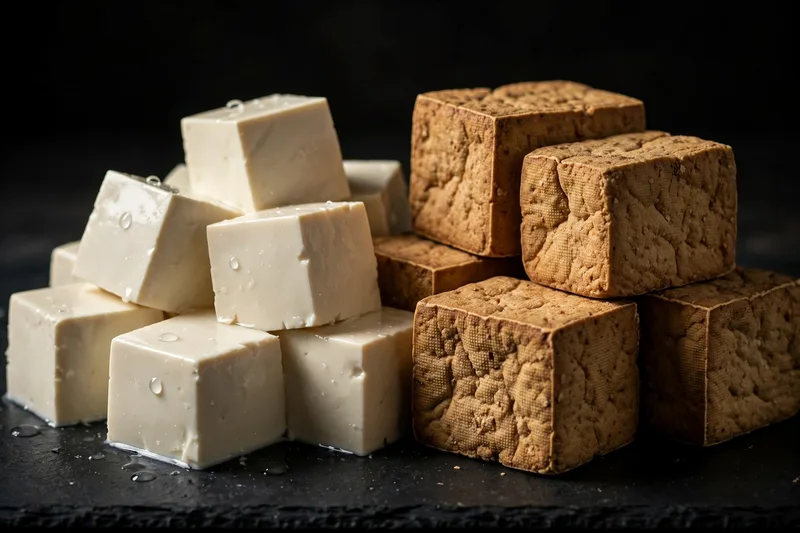
1. Regular tofu is very low in purines: 20 mg per 100g
Silken tofu (kinu) measures just 20 mg of purines per 100g. That puts it firmly in the low-purine range — comparable to most vegetables and far below any meat. For someone with gout looking for protein that won’t spike uric acid, tofu is one of the safest choices available.
To put that in perspective: chicken breast (roasted) is 178.5 mg per 100g — nearly nine times higher than tofu.
2. Boiling barely changes it
Tofu boiled for 3 minutes measures 21.92 mg per 100g. Boiled for 5 minutes, it’s 35.78 mg. The numbers creep up slightly with longer cooking (as water leaves and purines concentrate), but even at 5 minutes of boiling, tofu stays comfortably in the safe zone.
Practical takeaway: how you cook fresh tofu matters very little for purines. Boil, steam, or pan-fry it — the numbers stay low.
3. Deep-fried tofu is still safe at 54.4 mg
Deep-fried tofu (atsuage) measures 54.4 mg per 100g — higher than fresh tofu because frying drives off water and concentrates everything, but still well within the low-purine range. If you enjoy fried tofu, purines aren’t the reason to avoid it (calories might be, but that’s a different conversation).
4. The trap: dried-frozen tofu (koyadofu) is 292.3 mg
Here’s the surprise. Koyadofu — tofu that has been frozen, dried, and pressed — measures 292.3 mg of purines per 100g. That’s higher than most meats and firmly in the avoid range.
Why? Drying removes almost all the water, concentrating the purines roughly fourteen-fold compared to fresh tofu. A 100g block of koyadofu represents far more original tofu than 100g of the fresh kind. If you eat koyadofu, treat it like a high-purine food: small portions, infrequently — or rehydrate it first, which dilutes the per-100g value back down.
5. Tofu vs. other plant proteins
How does tofu compare to other plant proteins people eat for gout?
- Tofu (fresh): 20 mg — safe
- Chickpeas (cooked): 11.2 mg — safe
- Lentils (dried): 222 mg — avoid in dried form
Fresh tofu and chickpeas are both excellent low-purine proteins. Dried lentils are the outlier — but note that’s the dried weight; cooked lentils absorb water and the per-100g value drops significantly.
How Purines End Up in Tofu (and Why Water Matters)
To understand why tofu’s purine numbers swing so wildly between forms, it helps to know how producers make it.
They start with soybeans, soak them, grind them with water, and boil the mixture. They strain out the solids, leaving fresh soymilk. Then they add a coagulant — traditionally nigari (magnesium chloride) or gypsum — which curdles the soymilk into soft curds. They press those curds into blocks, and that gives you fresh tofu.
Here is the key detail: fresh tofu is mostly water. The purines live in the soy solids, not the water. So when you measure purines per 100g, the water dilutes the number. More water means a lower reading; less water means a higher one.
That single fact explains every number in this article. Boiling drives off a little water, so purines tick up from 20 to 35.78 mg. Deep-frying drives off more water, so they reach 54.4 mg. And koyadofu — frozen, then thoroughly dried — loses nearly all its water, which is why its purines rocket to 292.3 mg, roughly fourteen times the fresh value.
The lesson: with tofu, always check which form you are eating. The soybean is the same; the water content is what changes the number.
Tofu vs Other Proteins: Side by Side
Here is how tofu stacks up against common protein sources, using measured purine values per 100g:
| Food | Purines (mg/100g) | Rating for gout |
|---|---|---|
| Chickpeas, cooked | 11.2 | Safe |
| Tofu, silken (kinu) | 20 | Safe |
| Tofu, boiled 5 min | 35.78 | Safe |
| Tofu, deep-fried | 54.4 | Safe |
| Chicken breast, roasted | 178.5 | Moderate |
| Lentils, dried (raw) | 222 | Avoid (dried weight) |
| Tofu, dried-frozen (koyadofu) | 292.3 | Avoid |
Two things stand out. First, every fresh form of tofu sits comfortably below even the moderate threshold — you would need to eat an enormous portion to approach the purine load of a single chicken breast. Second, processing matters more than the food itself: the same soybean produces both the safest item on this table (silken tofu) and the riskiest (koyadofu).
Read our full breakdown of chickpeas and gout for another low-purine protein option, or look up any food in our 38,078-item purine database.
4 Gout-Friendly Tofu Meals
Knowing the numbers is one thing; putting tofu on your plate is another. Here are four simple meals built around tofu that keep purines low.
1. Tofu and vegetable stir-fry with rice
Press firm tofu to remove excess water, cube it, and sear it in a hot pan with a little oil until golden. Toss in bell peppers, broccoli, snap peas, and carrots. Serve over white rice. The tofu brings the protein at just 20 mg of purines per 100g, and every vegetable here sits in the low-purine range.
2. Silken tofu breakfast scramble
Crumble silken tofu into a pan with turmeric, black pepper, and a pinch of salt. Add spinach and diced tomatoes. It cooks in under five minutes and delivers a full serving of protein with barely any purines. Pair it with whole-grain toast for a complete gout-friendly breakfast.
3. Miso-style soup with tofu and greens
Simmer cubes of silken tofu with bok choy, mushrooms, and scallions in a light vegetable broth. Add a spoonful of miso paste off the heat. The tofu stays at its low-purine best, and the warm broth makes it satisfying without any meat.
4. Baked tofu grain bowls
Marinate tofu slices in soy sauce, garlic, and ginger, then bake until firm and caramelized at the edges. Serve over quinoa or brown rice with roasted sweet potato and a tahini drizzle. Baking keeps purines low (no water is driven off aggressively), and the bowl format makes portion control easy.
Want a full day mapped out? See our sample low-purine diet plan for a complete gout-friendly menu.
Tofu and Gout: Common Questions
Can I eat tofu every day if I have gout?
Yes. At 20 mg of purines per 100g, fresh tofu is one of the few proteins you can eat daily without worrying about uric acid. It sits far below the moderate threshold, so even generous portions stay safe. Just stick to fresh, boiled, or fried forms — not koyadofu.
Does cooking change tofu’s purine content?
Slightly, but not enough to matter for fresh tofu. Boiling for 3 minutes gives 21.92 mg; 5 minutes gives 35.78 mg; deep-frying gives 54.4 mg. All remain in the safe range. The only cooking-related jump worth watching is drying — which is how koyadofu reaches 292.3 mg. Normal home cooking methods keep tofu safe.
I heard soy is bad for gout — is that true?
This is a common myth, and the data does not support it for fresh soy foods. Silken tofu at 20 mg is firmly low-purine. The confusion likely comes from concentrated soy products: koyadofu (dried-frozen tofu) hits 292.3 mg because drying concentrates everything. People hear “soy is high in purines” without realizing the claim only applies to dried or concentrated forms. Fresh tofu, as most people eat it, is one of the safest proteins for gout.
Have more questions? Browse our gout FAQ — 26 questions answered.
The Bottom Line
Fresh, boiled, or fried tofu: eat freely. Dried-frozen tofu (koyadofu): treat with caution. As with any dietary change for gout, check purine values for the specific form you’re eating — processing can change the numbers dramatically.
Want to check another food? Search all 38,078 foods in our purine database.
For education only — not medical advice. Discuss diet changes with your doctor.