How to Lower Uric Acid Fast: 7 Evidence-Backed Steps That Actually Work
Your lab result just came back high and you want it down — now. Type “how to reduce uric acid fast” into Google and you will find hundreds of pages promising quick fixes: miracle juices, baking-soda tonics, secret detox routines. Most of them overpromise. This article does something different: it walks through what peer-reviewed research and real clinical trials actually say about lowering uric acid quickly, with honest timelines and real numbers from our 38,078-food purine database.
The honest truth about lowering uric acid “fast”
Let us start with the frame that everything else hangs on. Your body produces most of its uric acid internally, from the normal breakdown of your own cells — food is only part of the story. That is exactly why diet alone has realistic, limited power. A comprehensive review of lifestyle management for gout and hyperuricemia found that a strict low-purine diet for 7 to 10 days lowers blood uric acid by about 1 to 2 mg/dL, and concluded that extreme purine restriction is “not practical or effective” on its own.
That is not bad news — 1 to 2 mg/dL is a meaningful shift. The 6.8 mg/dL level is the point where uric acid starts crystallizing in joints, so dropping from, say, 8.5 to 7 can change your risk profile considerably. And a structured approach can do more: in a 42-day randomized trial reported in 2026, 90 men with gout who swapped their protein sources (dairy and eggs replacing much of the red meat) and followed a defined plan lowered their uric acid by roughly 1.9 mg/dL — with their medication unchanged. But that took six weeks of consistency, not six hours.
So here is the honest version of “fast”: some habits take effect today, measurable blood changes take 1 to 8 weeks, and no food or drink melts uric acid overnight. With that understood, here are the seven steps with the best evidence behind them.
1. Drink more water — the fastest lever you can pull today
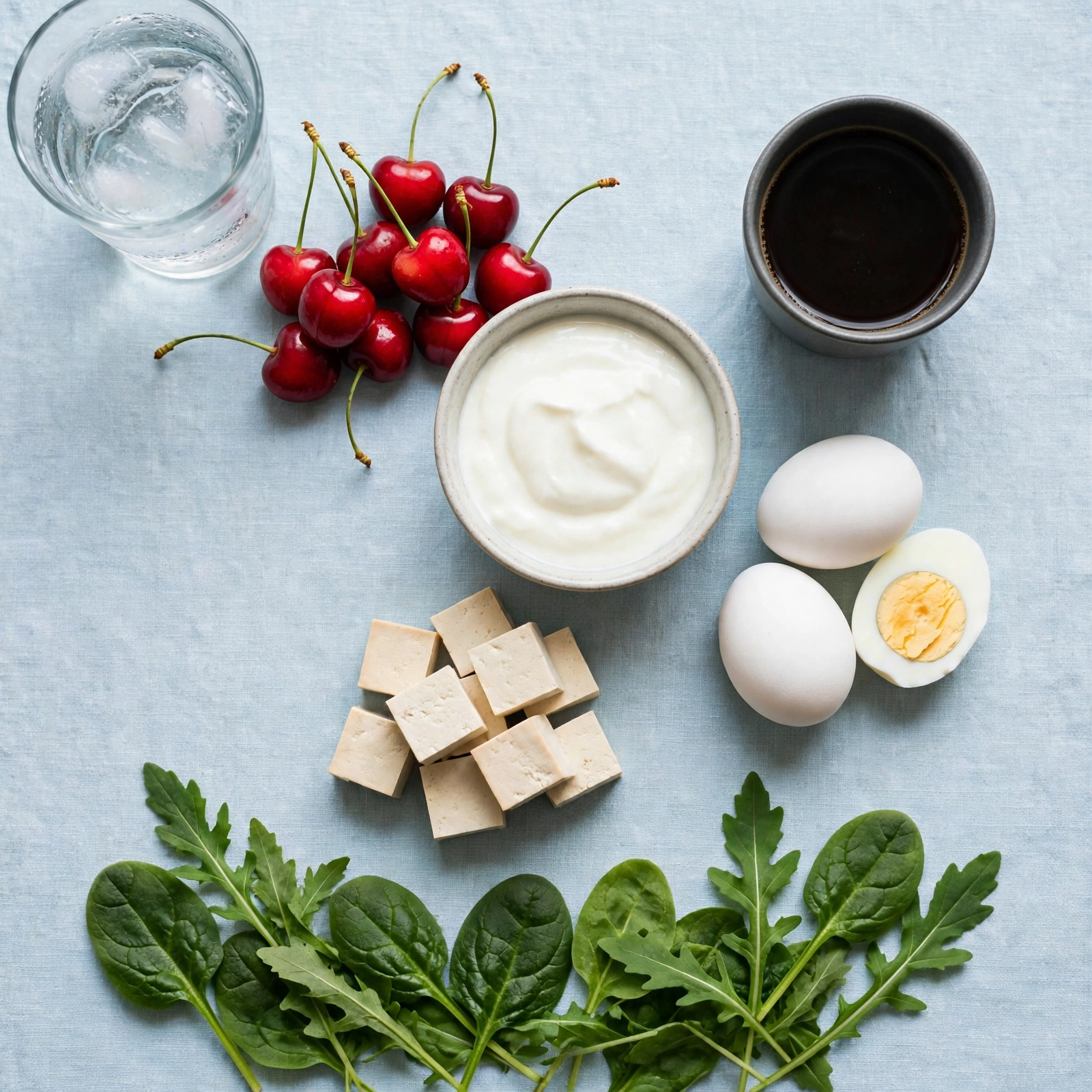
Nothing else on this list starts working the same day. The kidneys clear uric acid in proportion to urine flow, and dehydration raises serum uric acid through both extra purine breakdown and reduced excretion. In other words, being under-hydrated keeps uric acid in your blood instead of sending it out in urine.
The numbers are striking. An internet-based case-crossover study found that drinking at least 1,920 mL of water in the 24 hours before a flare was associated with a 46% reduction in recurrent gout attacks. That is the closest thing to a “fast” result in the entire gout literature: drink enough water today, and tomorrow’s flare risk drops.
The target: aim for 2 to 3 liters of water a day, spread through the day. More on hot days or after heavy sweating, because profuse sweating alone can raise serum uric acid.
2. Cut the two fastest triggers: beer and sugary drinks
If you want speed, start with subtraction. Two drink categories raise uric acid faster than almost any food.
Beer. Our database measured regular beer at 8.48 mg of purines per 100 mL and dark beer at 13.51 mg per 100 mL. That is only part of the damage: alcohol also slows uric acid excretion by the kidneys, so beer hits you twice — purines in, excretion blocked. The Arthritis Foundation puts beer and distilled liquor on its “avoid, no cheating” list for people with gout.
Sugary drinks. Fructose is the only common sugar that raises uric acid, and soda, sweetened juices, and desserts sweetened with high-fructose corn syrup are major delivery vehicles. Sweetened beverages raise serum uric acid and increase gout risk. The mechanism is well described: when the liver metabolizes fructose, it degrades ATP in a way that generates uric acid directly.
What to drink instead: water first, always. Black coffee is a strong second choice — the Arthritis Foundation notes that moderate amounts may lower gout risk, and our deep dive on coffee and gout walks through the research behind that claim.
3. Swap your proteins instead of starving yourself
The Qingdao trial that lowered uric acid by about 1.9 mg/dL in six weeks did not starve its participants. Its core move was substitution: dairy and eggs replaced much of the red meat. That strategy reflects a key finding from large cohort studies — protein source matters more than protein amount for gout risk. Meat and seafood track with higher uric acid and gout risk; dairy and plant proteins largely do not.
The purine numbers explain why the swap works. Our measured values:
- Beef liver, raw: 197 mg per 100 g
- Sardines, canned: 399 mg per 100 g
- Ground beef, 73% lean, raw: 133.3 mg per 100 g
- Chicken breast, roasted: 178.5 mg per 100 g
- Milk, 2% fat: 0.6 mg per 100 g
- Egg white, boiled: 0.73 mg per 100 g
- Tofu: 20 mg per 100 g
Trading a beef-and-sardine day for an eggs-dairy-tofu day can cut your dietary purine intake by an order of magnitude. You do not need to go vegetarian — you need to move the heaviest hitters off the plate. If you want the full framework, our gout diet plan lays out exactly how to structure those swaps across a week.
4. Add the foods research links to lower uric acid
Subtracting helps; some foods actively help.
- Low-fat dairy. Dairy products, especially low-fat types, are consistently associated with lower gout risk, and one trial found milk drinking lowered blood uric acid by roughly 10%. The Arthritis Foundation puts reduced-fat dairy — especially yogurt — on its “dig in” list.
- Cherries and tart cherry juice. Cherry juice is the Arthritis Foundation’s noted exception to its warning about fruit juice: it has been shown to lower gout risk. Our tart cherry evidence review digs into what the studies actually show — promising for flares, mixed on blood uric acid itself.
- Vitamin C. The Arthritis Foundation suggests about 500 mg a day (unless it interacts with your medicines), and the lifestyle review notes vitamin C supplementation as a measure that can lower serum uric acid.
- Coffee. Moderate intake may lower gout risk — see the coffee article linked above for the study details.
None of these is a drug. Think of them as small, consistent nudges in the right direction on top of the bigger moves.
5. Lose weight — gradually, never crash
Obesity raises uric acid through both overproduction and reduced excretion, and weight loss is one of the best-documented ways to lower it. In one trial, gout patients eating 1,600 calories a day for 16 weeks lost an average of 7.7 kg, saw their uric acid fall by about 1.7 mg/dL, and cut their monthly gout attacks from 2.1 to 0.6. Another study found overweight patients’ uric acid clearance improved steadily during a supervised weight-reduction program.
But the speed matters more than the size. Crash dieting and starvation raise uric acid: ketosis promotes uric acid reabsorption in the kidneys. And strenuous exercise transiently increases uric acid through muscle-nucleotide breakdown, while moderate aerobic exercise below the anaerobic threshold does not. The prescription is boring and effective: gradual calorie reduction, daily moderate movement, patience.
6. Stop fearing vegetables
A surprising number of “uric acid diet” lists ban asparagus, spinach, and mushrooms because they contain purines. The evidence says otherwise: moderate intake of purine-rich vegetables — peas, beans, lentils, asparagus, spinach, mushrooms — is not associated with increased gout risk or higher uric acid. Raw mushrooms measure 46.9 mg per 100 g in our database, yet the epidemiology shows no gout signal from them.
One honest caveat from our data: dried lentils measure 222 mg per 100 g, which looks alarming — but that is the dried, raw value, and nobody eats them dry. Cooking absorbs water and dilutes purines per serving, a point our lentils deep dive works through in detail. Vegetables stay on the menu.
7. Know your number, then retest
Steps 1 through 6 only work if you can tell whether they are working. Get a baseline blood uric acid reading, and retest 6 to 8 weeks after consistent changes — that is roughly how long it takes dietary shifts to show up reliably in serum. Our normal-range guide explains what the numbers mean for men, women, and children, including the 6.8 mg/dL crystallization point.
One reading is not a diagnosis, and if flares continue despite lifestyle changes, see your doctor. Urate-lowering medication exists for a reason, and whether you need it is a clinician’s call — diet can move your numbers a lot, but it is not a substitute for medical treatment when that treatment is indicated. If you notice the early warning signs of gout, do not wait for a perfect diet week before getting checked.
What “fast” really looks like: a realistic timeline
- Day 1–3: water up, beer and soda out, heaviest-purine foods swapped — flare triggers reduced immediately.
- Week 1–2: small serum uric acid shifts begin; a low-purine diet can shave off 1–2 mg/dL over 7–10 days.
- Week 6: the structured-diet trial showed about 1.9 mg/dL lower uric acid with consistent protein swaps.
- Month 4: the 16-week weight-loss trial showed uric acid down ~1.7 mg/dL and gout attacks cut by more than two-thirds.
And what does not belong on the list: “uric acid flush” products, baking-soda tonics without a doctor’s supervision, detox cleanses, and anything promising normal labs by tomorrow. If it sounds too fast, it is not supported by evidence.
The bottom line
Lowering uric acid quickly is real — but it is measured in days and weeks, not hours. Hydration works today. Cutting beer and fructose works this week. Protein swaps and dairy show results over several weeks. Gradual weight loss pays off over months. Stack them in that order, keep your protein intake adequate (the structured trials deliberately protected against muscle loss), and retest to confirm. That is the evidence-backed version of fast, and unlike the miracle cures, it actually works.
References
- Kakutani-Hatayama M, et al. “Nonpharmacological Management of Gout and Hyperuricemia: Hints for Better Lifestyle.” American Journal of Lifestyle Medicine, 2017. PMC6125106 — systematic review backing water intake (46% fewer recurrent attacks with ≥1,920 mL/day), low-fat dairy, fructose risks, purine-rich vegetables, gradual weight loss, and the 1–2 mg/dL effect of short-term low-purine diets.
- Arthritis Foundation. “Foods to Avoid and Eat for Gout.” October 2022. arthritis.org — the avoid/limit/dig-in food framework, including cherry juice lowering gout risk, moderate coffee, reduced-fat dairy, and ~500 mg/day vitamin C.
- GoutFoodGuide editorial desk, reporting a Qingdao University public health team’s 42-day dietary intervention trial published in Nutrients, June 2026. Summary with study details — structured protein substitution (dairy and eggs replacing red meat) lowered uric acid by about 1.9 mg/dL over 42 days with medication unchanged, in 90 men with gout.
For education only — not medical advice. Discuss diet changes with your doctor.